
The Best Fluffy Pancakes recipe you will fall in love with. Full of tips and tricks to help you make the best pancakes.
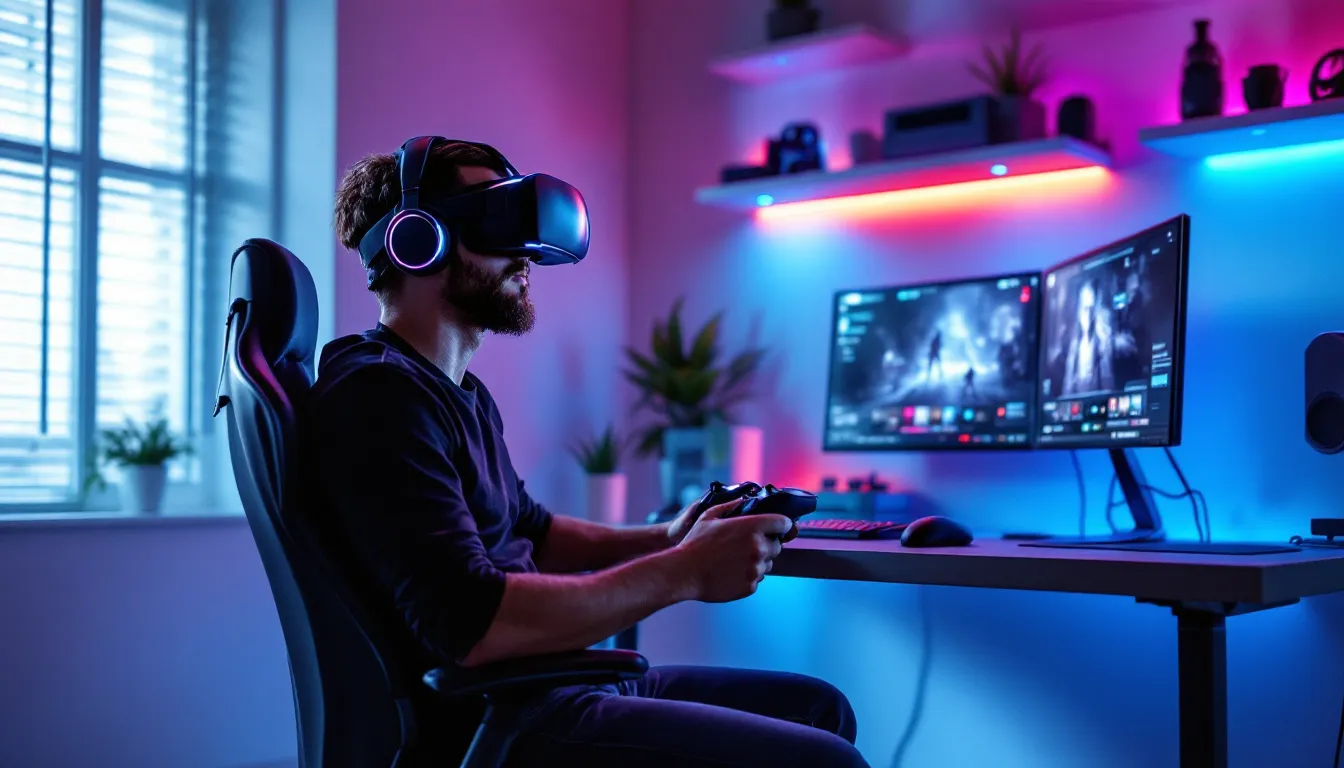
VR Horror Games: The Ultimate Guide to Terrifying Virtual Reality Experiences in 2026
There’s something uniquely unsettling about strapping a headset to your face and willingly stepping into a nightmare. Traditional horror games let you watch the terror unfold on a screen. VR horror games? They put you inside it. Every creaking floorboard echoes around you, every shadow could be hiding something, and when you turn your actual head to check behind you, that thing you were afraid of might actually be there.
VR horror has evolved dramatically since the early days of janky jump-scare demos. In 2026, horror games vr delivers some of the most visceral, heart-pounding experiences in gaming. Whether you’re sneaking through an abandoned asylum in psychological horror or blasting through zombie hordes with friends in cooperative survival, the medium has matured into something that can genuinely terrify even veteran horror fans. This guide covers everything from what makes these experiences so effective to the best titles you should be playing, the gear you’ll need, and how to survive the scares without throwing your headset across the room.
Key Takeaways
- VR horror games create genuine fear responses by exploiting presence and immersion in ways traditional flat-screen horror cannot match, leveraging spatial audio, embodiment, and the inability to look away.
- Top VR horror titles in 2026 span multiple subgenres, from psychological experiences like Madison VR and Layers of Fear VR to action-horror games like Resident Evil 4 VR and cooperative titles like Phasmophobia.
- Proper VR equipment—including headsets like Meta Quest 3 or PSVR 2, quality spatial audio, and a 6.5 x 6.5 foot play space—significantly enhance immersion while preventing motion sickness and physical injury.
- Managing VR horror intensity through comfort settings, controlled session lengths (45–60 minutes), mixed reality passthrough, and proper IPD adjustment helps players enjoy the experience without overwhelming fear responses.
- VR horror games emphasize stealth, environmental puzzle-solving, and physical hand interactions over complex inventory systems, creating emergent tension that replaces traditional cinematic horror direction.
What Makes VR Horror Games So Terrifying?
The difference between playing a horror game on a screen and experiencing one in VR isn’t just incremental, it’s fundamental. The medium taps into psychological triggers that flat-screen games simply can’t access, creating fear responses that feel uncomfortably real.
Immersion and Presence
Presence is the technical term for when your brain forgets you’re in a simulation and starts treating the virtual environment as real. In VR horror, presence is the weapon developers wield most effectively. When a monster charges at you, your brain doesn’t register pixels on a screen, it registers an immediate physical threat in your actual space.
You can’t look away. There’s no screen edge, no fourth wall. If something’s behind you, you have to physically turn around to see it. This vulnerability is hardwired into our survival instincts, and horror vr games exploit it ruthlessly. The result is fight-or-flight responses that feel genuine: increased heart rate, adrenaline dumps, and involuntary flinching that you’d never experience sitting on a couch with a controller.
Spatial Audio and 360-Degree Environments
Modern VR headsets feature spatial audio processing that maps sounds to specific 3D positions around you. In horror contexts, this transforms audio from a mood-setter into a navigation hazard. When you hear breathing behind you, it’s actually positioned behind you, not just panned to the rear audio channel.
Developers layer audio cues with environmental design to create constant tension. Footsteps echo from specific hallways. Whispers emanate from particular corners. Something scraping metal comes from above you. Your ears become as important as your eyes, and in dark environments where visibility is limited, sound becomes the primary threat indicator. This forces players into a state of hypervigilance that flat-screen games rarely achieve.
Physical Reactions and Embodiment
VR horror games demand physical interaction. You’re not pressing X to open a door, you’re actually reaching out, gripping the handle, and pulling. This embodiment creates investment in actions that would be trivial button presses otherwise. Reloading a weapon becomes a fumbling panic when something’s rushing toward you. Hiding in a locker means physically crouching and holding still.
Many titles include hand tracking or highly responsive controller mapping that shows your actual hands in-game. When those hands shake because you’re shaking, the feedback loop between real fear and virtual danger becomes disturbingly tight. Players report physical exhaustion after intense sessions, not from exertion, but from sustained tension and genuine stress responses.
Best VR Horror Games to Play in 2026
The VR horror library has expanded significantly, with titles spanning from slow-burn psychological dread to high-octane survival action. Here are the standout experiences as of early 2026.
Psychological Horror Experiences
Madison VR (2025, PSVR 2, Meta Quest 3, PC VR) remains the gold standard for atmospheric psychological horror. The VR adaptation of the acclaimed flat-screen game leverages instant camera mechanics in ways that feel native to the medium. Taking a photo to reveal hidden messages or solve puzzles becomes genuinely unnerving when you’re holding the camera up to your actual face.
Layers of Fear VR received a comprehensive update in late 2025 that optimized it for current-gen headsets. The constantly shifting mansion environment plays with spatial memory in ways that only work in VR, rooms you just walked through have changed when you turn around, creating disorientation that goes beyond visual trickery.
The Room VR: A Dark Matter sits on the lighter end of horror but excels at environmental storytelling and intricate puzzle design. It’s an excellent entry point for players new to vr horror games who want atmosphere without intense jump scares.
For those seeking experimental indie experiences, Propagation: Paradise Hotel delivers tight, focused horror across a 4-5 hour campaign with exceptional production values for its budget. The game made waves when PC Gamer featured it in their 2024 horror roundup for its innovative use of physics-based melee combat.
Action Horror and Survival Games
Resident Evil 4 VR Remake (2025, PSVR 2, PC VR) represents the pinnacle of action-horror in VR. The remake translates the 2023 flat-screen version with full motion controls, manual reloading, and a parry system that requires actual timing and positioning. Leon’s campaign in VR is exhausting in the best way, the village siege becomes a 360-degree panic, and boss fights require spatial awareness that fundamentally changes strategies from the pancake version.
Arizona Sunshine 2 improves on its predecessor with better AI, weapon handling, and set pieces. The zombie hordes feel genuinely threatening when you’re tracking ammunition counts in your head and fumbling magazine swaps under pressure.
Into the Radius 2 launched in early 2026 with a hardcore survival loop that appeals to extraction shooter fans. STALKER-inspired gameplay translates surprisingly well to VR, with weapon maintenance, anomaly detection, and inventory management all handled through physical interaction.
Cooperative VR Horror Games
Multiplayer shifts the horror dynamic from isolation to shared panic, and several titles nail that balance.
Phasmophobia continues its reign as the co-op VR horror king. The 2025 update overhauled the ghost AI with machine learning behaviors that adapt to player patterns, ensuring teams can’t just repeat the same safe strategies. Cross-play between VR and flat-screen players remains seamless.
The Outlast Trials VR (2025, all major platforms) brings the Outlast brutality to cooperative multiplayer. Teams of four navigate procedurally-arranged trial complexes while pursued by persistent enemies. The VR implementation is notably intense, players with weak stomachs should approach with caution.
For lighter co-op experiences, Forewarned blends horror with tomb-raiding archaeology. Teams explore procedural Egyptian tombs while avoiding mummies and curses, creating a structure that balances tension with moments of breathing room.
Essential VR Equipment for Horror Gaming
Hardware choices significantly impact both the quality and comfort of horror experiences. Here’s what matters in 2026.
Headset Options and Recommendations
Meta Quest 3 dominates the market as the most versatile option. Standalone capability means no tethering, mixed reality passthrough reduces the claustrophobia some players experience, and the library is extensive. Most vr horror games free options live on the Quest platform, with games like Affected: The Manor and The Exorcist: Legion VR – Chapter 1 offering no-cost entry points.
For the best visual fidelity and performance, PSVR 2 paired with a PS5 delivers flagship exclusives and dramatically improved haptics through the Sense controllers. The headset rumble adds another sensory dimension, feeling the vibration of distant footsteps or environmental effects deepens immersion in ways that surprise even VR veterans.
PC VR enthusiasts running high-end rigs should consider the Valve Index for its superior audio, high refresh rates (up to 144Hz), and finger-tracking controllers. Horror games with detailed hand interactions benefit enormously from Index controllers’ granular input detection. According to coverage from IGN, the Index still leads in enthusiast satisfaction even though being several years old, thanks to consistent software support and modding community engagement.
Pimax Crystal and other high-FOV headsets offer bleeding-edge specs but require powerful GPUs (RTX 4080 or better) to drive horror games at acceptable frame rates. Motion sickness risk increases with any frame drops in horror contexts, so stable 90fps should be the minimum target.
Audio Setup for Maximum Immersion
Most modern headsets include adequate built-in audio, but dedicated solutions enhance spatial positioning.
The Valve Index speakers remain unmatched for off-ear audio that maintains situational awareness while delivering precise directional cues. For headsets without integrated audio, the SteelSeries Arctis Nova Pro works well across platforms with low latency and strong spatial imaging.
Bone conduction options like Shokz OpenRun Pro let players maintain awareness of their real environment, helpful for those who get too immersed or need to monitor surroundings for safety. The tradeoff is reduced bass response, which can diminish some scare effects that rely on low-frequency rumble.
Crucial tip: use actual headphones or integrated headset audio. Running VR with external speakers destroys spatial audio positioning and guts the effectiveness of sound-based horror mechanics.
Tips for Playing VR Horror Games Without Getting Too Scared
VR horror can be overwhelming, especially for newcomers. These strategies help manage intensity without ruining the experience.
Start with comfort settings enabled. Most modern horror games vr include options like vignette reduction during movement, snap turning instead of smooth turning, and teleport movement. While these reduce immersion slightly, they prevent nausea and give your brain time to acclimate.
Control your session length. Intense VR horror is mentally and physically draining. 45-minute to one-hour sessions with breaks prevent burnout and reduce motion sickness risk. Your enjoyment per minute peaks in shorter, focused sessions rather than marathon runs.
Use mixed reality passthrough if your headset supports it. Modern headsets like the Quest 3 let you double-tap the side to instantly see your real room. Knowing you can instantly break immersion reduces anxiety for many players.
Play during daylight hours in a well-lit room. This sounds obvious, but the psychological safety of knowing it’s 2pm on a sunny afternoon helps players push through scares they’d bail on at midnight.
Verbalize your fear. Talking out loud, even if playing solo, reduces tension. Narrate what you’re doing, curse at enemies, or just vent frustration. It externalizes the stress and reminds your brain this is entertainment.
Managing Motion Sickness and Discomfort
Motion sickness in VR comes from sensory conflict, your eyes see movement but your inner ear feels stillness. Horror games frequently trigger this through forced camera movement, disorientation effects, or rapid directional changes.
Adjust your IPD (interpupillary distance) correctly. Most headsets include physical or software IPD adjustment. Incorrect settings cause eyestrain that compounds with motion sickness. Measure your IPD accurately (most optometrists provide this) and set it precisely.
If nausea hits, stop immediately. Pushing through worsens symptoms and can create negative associations that make future VR sessions harder. Remove the headset, focus on a distant stationary object, and let your equilibrium reset.
Ginger supplements or anti-nausea wristbands help some players. Anecdotal evidence is strong, though clinical validation is mixed. Staying hydrated and avoiding VR on a full stomach also reduces susceptibility.
Creating a Safe Play Space
Physical safety is crucial when you’re flailing in panic.
Clear a 6.5 x 6.5 foot minimum play area. Horror games involve sudden movements, spinning around to check behind you, ducking, backing up instinctively. Hitting furniture or walls during a tense moment breaks immersion and risks injury.
Use a floor mat to mark center position. When things get intense and you’ve lost spatial awareness, feeling the mat edge under your feet helps reorient without breaking immersion to check the guardian boundary.
Remove or secure anything fragile, sharp, or valuable. Controllers will hit things eventually. Wall-mounted TVs, picture frames, and ceiling fans are common casualties in horror gaming mishaps documented across gaming communities that Game Informer has covered in their VR safety features.
Common VR Horror Game Mechanics and Gameplay Elements
Understanding recurring mechanical patterns helps players navigate horror games vr more effectively and appreciate how developers create tension.
Stealth and Hiding Systems
Many VR horror titles emphasize avoidance over confrontation. Alien: Isolation-style stalker enemies appear frequently, persistent threats that patrol environments and force players into hiding spots.
Physical hiding in VR means actually crouching in real space or pressing yourself against a virtual wall. Games track head position, so players must control their actual body position to stay concealed. Cosmodread and Propagation both feature locker-hiding sequences where you must remain physically still, any movement of your headset can alert enemies.
Line-of-sight mechanics become literal in VR. If you can see the enemy’s eyes, it can see you. This creates intense moments where players must peek around corners with minimal head movement, controlling their real-world body language to minimize detection risk.
Interactive Object Manipulation
Direct hand interaction with objects forms the core of VR horror gameplay. Developers use physics-based manipulation to create problem-solving under pressure.
Inventory management requires physical interaction. Games like Into the Radius force players to open their backpack, rummage through items, and manually retrieve what they need, all while exposed to threats. Panic fumbling through inventory during an ambush creates emergent tension that menu-based systems can’t replicate.
Weapon handling varies from arcade-simple to simulation-complex. Resident Evil 4 VR uses forgiving hit detection and generous auto-alignment for accessibility. Into the Radius 2 requires manual safeties, realistic magazine insertion, and chamber checking. Both approaches work, but knowing a game’s weapon system complexity helps set expectations.
Environmental puzzles leverage VR’s strengths. Rotating physical objects to find hidden symbols, manipulating machinery with actual hand movements, or using tools naturally creates engagement that button-prompt puzzles lack. The Room VR demonstrates this perfectly, intricate boxes and mechanisms feel satisfying to manipulate because your hands are doing the work.
Upcoming VR Horror Games to Watch For
Several promising titles are scheduled for late 2026 and early 2027 that could reshape the genre.
Behemoth from Skydance Interactive (developers of The Walking Dead: Saints & Sinners) is slated for Q3 2026. Early previews show a dark fantasy horror setting with giant boss encounters designed specifically for VR’s scale perception. The studio’s track record suggests this will be a flagship release.
Metro Awakening brings the Metro franchise to VR with a campaign set before Metro 2033. Developer Vertigo Games confirmed the title is in final polishing stages for a late 2026 launch across all major platforms. Expect survival horror with the series’ signature atmosphere and resource scarcity.
Silent Hill: The Short Message VR is rumored for 2027, though Konami hasn’t confirmed beyond acknowledging VR as a platform of interest. Given the franchise’s recent revival, a VR entry feels plausible. This remains speculation territory until official announcement.
Paranormal Tales from indie developer Dark Curry entered early access in February 2026 on PC VR. The cooperative ghost-hunting game aims to improve on Phasmophobia‘s formula with more complex investigation tools and persistent hub world progression. Community reception has been positive, with full release targeted for summer 2026.
Project Demeter (working title) is an upcoming extraction-horror hybrid from a team of former Crytek developers. Announced in January 2026 with a 2027 window, it promises Tarkov-meets-Dead Space gameplay in VR. Given the success of Into the Radius, the extraction-horror niche appears increasingly viable.
How VR Horror Compares to Traditional Horror Games
The distinction between VR and flat-screen horror goes beyond the obvious technical differences, it fundamentally changes how fear is generated and experienced.
Agency versus observation is the core divide. Traditional horror games position you as an observer controlling an avatar. Camera angles, fixed perspectives, and directorial framing guide your attention. VR eliminates that mediation, you are the perspective. There’s no camera angle protecting you or concealing threats for dramatic timing. Every direction is your responsibility to monitor.
This creates different fear profiles. Flat-screen horror excels at cinematic dread, carefully composed shots, lighting designed for specific emotional beats, and controlled pacing that builds tension through editing. Games like Resident Evil 7 or The Last of Us use these techniques masterfully.
VR horror relies on environmental vulnerability. The fear comes from being in the space rather than watching it. Developers can’t control where you look, so they must design entire environments to be threatening from any angle. This shifts the craft from cinematography to architecture.
Gameplay complexity tends to be simpler in VR horror. The physical demands of VR interaction mean games can’t layer as many simultaneous systems as traditional titles. You won’t see VR horror with the inventory depth of Resident Evil 4 (original) or the narrative branching of Until Dawn. The medium’s intensity demands focus, adding complex RPG systems or deep crafting trees would dilute the core experience.
Replayability factors differ as well. Traditional horror games offer higher replay value through unlockables, difficulty modes, and alternate paths. VR horror is often more focused on the initial experience, once you know the scare triggers, they lose effectiveness. Exceptions exist (Resident Evil 4 VR‘s Mercenaries mode, Phasmophobia‘s procedural missions), but single-playthrough design is more common.
Neither approach is superior, they’re fundamentally different experiences. VR horror offers visceral, immediate fear that traditional games can’t match. Flat-screen horror provides narrative complexity, visual polish, and accessibility that VR hasn’t achieved at scale. Most horror fans will find value in both rather than choosing one exclusively.
Conclusion
VR horror has matured from experimental novelty to a legitimate subgenre with standout titles that deliver experiences impossible in traditional gaming. The technology’s ability to generate genuine presence and exploit spatial awareness creates fear responses that go beyond what screens can achieve. As headsets become more accessible and development tools improve, the gap between VR and flat-screen horror will likely widen rather than narrow, not in quality, but in the type of experience each medium can deliver.
For players willing to embrace the intensity, horror vr games offer some of the most memorable moments in modern gaming. Start with lower-intensity titles, invest in proper equipment, and respect your comfort limits. The medium rewards those who engage with it on its own terms rather than expecting traditional game structures. Whether you’re sneaking through psychological nightmares, blasting through zombie hordes, or hunting ghosts with friends, VR horror in 2026 has something for every fear threshold.